Navigating the Transition: From Psychiatric Hospital to Home Care – What Families Should Know
Bringing a loved one home after a psychiatric hospital stay is often a moment filled with both relief and uncertainty. While it’s comforting to know they’re stable enough to return home, families are often faced with new questions: How will we manage daily routines? Who will help with medication? What happens if symptoms return?
At Empowered Psychiatry & Wellness, we understand that this transition period is one of the most critical times in the mental health recovery journey. Our team of compassionate psychiatric providers – including nurse practitioners and therapists – helps bridge the gap between the hospital and home environment, offering support that promotes stability, coping skills, and long-term wellness.
Here’s what families should know to ensure a smooth transition from psychiatric hospital to home and how outpatient psychiatric care can make all the difference.
A successful psychiatric hospital discharge includes: a clear aftercare plan, medication continuity, scheduled follow-up appointments, a safe home environment, and knowing the warning signs of relapse. Empowered Psychiatry offers telehealth and in-person appointments in NYC to support this transition.
1. Key Questions to Ask the Discharge Planner or Care Coordinator
Before your loved one leaves the psychiatric unit, take time to speak with the discharge planner, social worker, or attending psychiatrist. They can provide details about your loved one’s recovery needs and whether ongoing psychiatric care is recommended.
- What specific symptoms or behaviors should we monitor at home?
- What medications have been prescribed, and what are the common side effects?
- How often will my loved one need follow-up appointments?
- Are there any activity restrictions or recommended routines (sleep, diet, exercise)?
- Do you have a referral to an outpatient psychiatrist or psychiatric nurse practitioner?
- What should we do if symptoms worsen or a crisis occurs?
Before leaving the hospital, be sure to obtain discharge paperwork including medication list, follow-up appointments, and emergency contact numbers. Once you’re connected with Empowered Psychiatry, our team will help coordinate a seamless transition – reviewing hospital records, adjusting medications if needed, and creating a personalized aftercare plan.
2. How to Prepare the Home Environment for Mental Health Recovery
A safe, calm, and organized home environment is essential for psychiatric recovery. While you don’t need to remove all furniture, small changes can reduce anxiety and promote stability:
- Reduce clutter: A tidy space reduces overwhelm and supports clear thinking.
- Create a medication station: Use a pill organizer and set phone reminders to support adherence.
- Designate a quiet space: A low-stimulation area for relaxation, journaling, or deep breathing.
- Remove triggers: If certain objects or environments are associated with past trauma or stress, consider rearranging or limiting access.
- Ensure good lighting: Natural light during the day and soft lighting in the evening can help regulate circadian rhythms – especially important for mood disorders.
Our psychiatric team can provide guidance on environmental adjustments tailored to your loved one’s specific condition (e.g., anxiety, bipolar disorder, depression, PTSD).
3. Understanding the Aftercare Plan: Medications, Therapy, and Follow-Up
After discharge, the hospital should provide a written aftercare plan that includes:
- Medication regimen – names, doses, timing, and duration.
- Therapy recommendations – individual, group, or family therapy.
- Follow-up appointments – usually within 7–14 days post-discharge.
- Lifestyle recommendations – sleep, nutrition, exercise, and avoiding alcohol/substances.
It is crucial that everyone involved – the patient, family members, outpatient psychiatrist, and therapist – stays on the same page. At Empowered Psychiatry & Wellness, we specialize in post-hospitalization medication management and therapy. We coordinate directly with hospital providers to ensure continuity of care.
4. The Role of Outpatient Psychiatric Providers in Post-Hospital Recovery
After a psychiatric hospitalization, many patients need ongoing support to regain stability and prevent relapse. A psychiatric nurse practitioner or psychiatrist can provide:
- Medication management – adjusting doses, monitoring side effects, and simplifying regimens.
- Therapy integration – combining medication with evidence-based therapies (CBT, DBT, etc.).
- Crisis planning – creating a written relapse prevention plan with early warning signs and action steps.
- Coordination with other providers – primary care, therapists, case managers.
- Telehealth options – convenient follow-ups from home, reducing the barrier of travel.
Beyond clinical care, having a consistent outpatient provider provides peace of mind for both patients and families. Knowing that a trusted professional is available for questions or adjustments brings reassurance during the vulnerable weeks after discharge.
5. When to Escalate and Return to the Hospital: Warning Signs and Red Flags
- Return of suicidal thoughts or self-harm urges
- Hallucinations, delusions, or extreme paranoia
- Severe mania (e.g., reckless behavior, no sleep for days, rapid speech)
- Inability to care for basic needs (eating, bathing, taking medication)
- Sudden withdrawal, refusing to leave room, or catatonic behavior
- Aggression or violence toward self or others
- Intense panic attacks or inability to function
If any of these occur, contact your loved one’s outpatient provider immediately. If there is immediate danger, call 988 (Suicide & Crisis Lifeline) or 911. Early intervention can prevent rehospitalization and support faster recovery.
6. How Empowered Psychiatry & Wellness Supports NYC Families
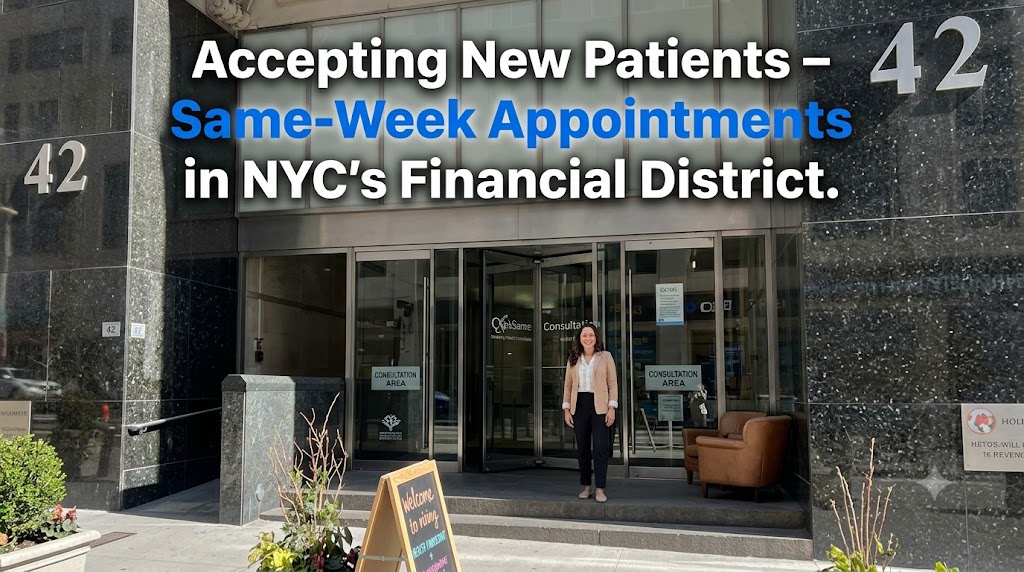
We offer same-week appointments for patients transitioning from psychiatric hospitalization. Our team provides:
- Comprehensive psychiatric evaluation within days of discharge.
- Medication management with careful monitoring of side effects.
- Individual therapy tailored to your diagnosis and goals.
- Telepsychiatry across New York State – no need to travel.
- Family guidance sessions to help loved ones understand how to support recovery.
We proudly serve Manhattan, Brooklyn, Queens, the Bronx, Staten Island, Long Island, Westchester, and all of New York via telehealth.
Your Loved One Deserves a Smooth Transition Home
Don’t wait weeks for a follow-up appointment. At Empowered Psychiatry & Wellness, we prioritize post-hospitalization patients to prevent relapse and support lasting recovery. Our compassionate psychiatric nurse practitioners and therapists are here to help your family navigate this critical time.
Take the first step toward stability today.
👉 Schedule a Post-Discharge AppointmentCall us: 346 517 7874 or book online. Most insurances accepted.
Frequently Asked Questions (Post-Hospital Transition)
❓ How soon after discharge should I schedule a follow-up appointment?
Ideally within 7–14 days. Some high-risk patients may need an appointment within 48–72 hours. Empowered Psychiatry offers rapid access for discharge transitions.
❓ What if my loved one refuses to continue medication after leaving the hospital?
This is common. Our approach is collaborative – we discuss side effects, simplify regimens, and explore long-acting injectables if adherence is a concern. Family sessions can also help address resistance.
❓ Can we do telehealth follow-ups instead of coming to an office?
Yes. Telepsychiatry is often ideal for the first few weeks post-discharge, reducing travel stress and allowing patients to remain in a comfortable environment.
❓ Do you coordinate with the hospital’s treatment team?
Absolutely. With your consent, we will request discharge summaries and speak with hospital providers to ensure a seamless transition.