NYC Mental Health Access 2026: New Laws, Telehealth & Your Rights
If you’ve ever tried to book a therapy or psychiatry appointment in New York City, you’ve likely experienced the frustration of being told: “Our next opening is in three months.” That waiting period can feel endless when you’re struggling with anxiety, depression, or any mental health challenge.
But 2026 brings major changes to how mental health care is delivered and accessed across New York State. From the new “10‑day rule” to expanded telehealth coverage and landmark insurance parity laws, this guide walks you through everything NYC residents need to know to get timely, affordable care.
• Most insurers must offer an initial outpatient appointment within 10 business days.
• After hospital discharge, you’re entitled to an appointment within 7 calendar days.
• Mobile crisis teams can now respond to emergencies as an alternative to ER visits.
• Insurers must reimburse mental health care at rates equal to physical health care.
• Telehealth remains fully covered for psychiatric services across NY State.
1. The 10‑Day Rule: New York’s Answer to Long Wait Times
In 2025, New York State enacted groundbreaking network adequacy regulations that cap how long patients can be made to wait for mental health appointments. These rules took effect July 1, 2025 for Medicaid plans and are rolling out for commercial plans throughout 2026[reference:0].
- 10 business days for an initial outpatient mental health or substance use appointment[reference:1].
- 7 calendar days for an initial appointment after discharge from a hospital or emergency room[reference:2].
- Health plans must maintain accurate, up‑to‑date provider directories[reference:3].
- Plans must designate staff specifically to help members find behavioral health providers[reference:4].
If your insurance plan cannot meet these wait times, you have the right to see an out‑of‑network provider at in‑network cost. To activate this protection, you must file an “access complaint” with your health plan, after which they have 3 business days to locate a provider who can meet the deadline[reference:5].
New York’s FY 2026 budget includes $1 million specifically to enforce these behavioral health parity and wait‑time requirements on insurers[reference:6].
2. Insurance Parity: Equal Pay for Mental Health Care
For decades, mental health services were reimbursed at significantly lower rates than physical health care – a phenomenon known as the “parity gap.” This forced many NYC psychiatrists and therapists to remain out‑of‑network, leaving patients with sky‑high out‑of‑pocket costs[reference:7].
That’s changing in 2026. New York State now requires commercial insurers to reimburse behavioral health providers at rates no less than the Medicaid scale. This rate parity means more providers can afford to join insurance panels, expanding the in‑network pool for NYC residents[reference:8].
New York is one of only 13 states with strong parity protections that go beyond federal requirements, alongside California, Illinois, Washington, and Colorado[reference:9]. The state has also enacted legislation prohibiting insurers from discriminating based on mental health or substance use disorders, incorporating federal enforcement rules from the Mental Health Parity and Addiction Equity Act[reference:10].
3. Mobile Crisis Teams: A 2026 Alternative to the ER
Starting January 1, 2026, the Essential Plan covers mobile crisis team services – a game‑changing benefit for New Yorkers experiencing behavioral health emergencies[reference:11].
Mobile crisis teams provide immediate, community‑based interventions as an alternative to hospitalization when clinically appropriate. These teams include behavioral health professionals, certified peer specialists, and recovery advocates – and there’s no copay and no prior authorization required[reference:12].
New York City currently funds 26 mobile crisis teams through the Department of Health and Mental Hygiene, with additional investments in Assertive Community Treatment (116 teams) and Intensive Mobile Treatment (36 teams)[reference:13]. The city has also been reforming its 911 mental health crisis response through the B‑HEARD program, which is transitioning to a health‑system‑led model in spring 2026[reference:14].
4. Assisted Outpatient Treatment (Kendra’s Law) Updates
New York’s Assisted Outpatient Treatment (AOT) program, established under Kendra’s Law (Mental Hygiene Law Section 9.60), remains a critical tool for individuals with serious mental illness who struggle to engage voluntarily in care. Under AOT, a court can order outpatient services including medication, case management, therapy, and supervision of living arrangements[reference:15].
In 2026, amendments to the Mental Hygiene Law continue to expand the role of psychiatric nurse practitioners in providing these court‑ordered services. New York State now permits psychiatric NPs to complete required medical certificates for AOT determinations, increasing access to qualified providers[reference:16].
5. Telehealth & AI: The Digital Revolution in NYC Psychiatry
Telehealth has become a permanent fixture of New York’s mental health landscape. Medicare telehealth flexibilities remain in effect through 2026, and major insurers continue to cover virtual psychiatric care[reference:17]. For NYC residents, this means you can see a psychiatrist or nurse practitioner from your living room – no subway ride, no waiting room anxiety.
New York City is also emerging as a hub for AI‑powered mental health innovation. NYC‑based Blossom Health recently secured $20 million to deploy an AI operating system that helps psychiatrists with diagnostics, medication management, and administrative tasks – potentially reducing wait times to as little as 48 hours[reference:18].
- Telepsychiatry is covered by most NY insurers – check your plan.
- You can receive medication management, therapy, and follow‑up care entirely online.
- 80,000+ NYC retirees living outside New York State can now access telepsychiatry through the NYCE PPO plan[reference:19].
- A new senior mental health portal launching August 2026 will provide 24/7 access to geriatric psychiatric screening and telehealth[reference:20].
6. The Youth Mental Health Crisis: What NYC Families Need to Know
New York’s young people are struggling. A comprehensive report from City Comptroller Brad Lander found that nearly 40% of NYC high school students report persistent sadness or hopelessness – a staggering figure that reflects years of underinvestment in school mental health services[reference:21].
The same report uncovered critical staffing shortages: over 70% of NYC schools do not meet national standards for social worker staffing, and the city would need to hire approximately 2,137 additional social workers and 1,220 guidance counselors to meet those standards – at an annual cost of $402‑426 million[reference:22].
Statewide data tells a similar story. New York’s Strategy for Suicide Prevention (2026‑2030) reports that 10.66% of 18‑ to 25‑year‑olds had serious thoughts of suicide in the previous year, and hospital visits for self‑harm remain elevated[reference:23]. The state’s five‑year plan focuses on early intervention and community supports rather than waiting for a full‑blown crisis.
New York City has also sued major social media platforms, arguing that their addictive features fuel the youth mental health crisis and overload public systems[reference:24].
7. How Empowered Psychiatry & Wellness Helps NYC Residents Access Care
At Empowered Psychiatry & Wellness, we’re committed to being part of the solution. We offer:
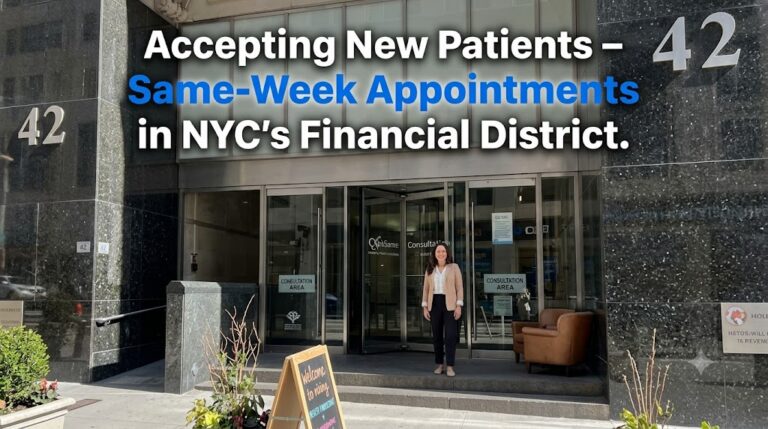
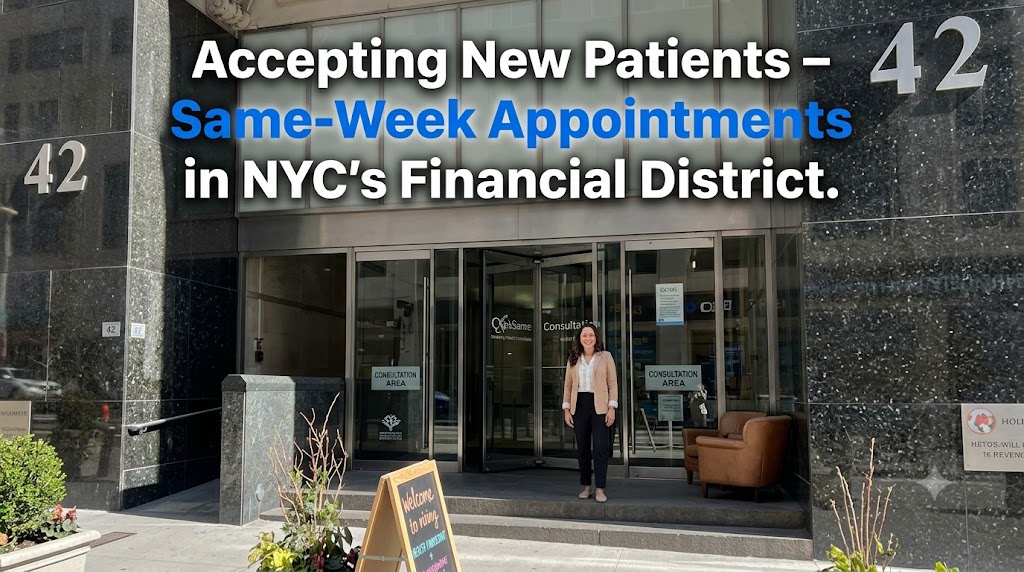
- Same‑week appointments for new patients – no 3‑month waits.
- Telepsychiatry across New York State – see us from anywhere.
- Medication management for anxiety, depression, ADHD, bipolar disorder, and more.
- Licensed psychiatric nurse practitioners who can prescribe and manage medications.
- Insurance accepted – we work with most major plans.
- Second opinions – if you’re unsure about your current treatment plan.
We proudly serve Manhattan, Brooklyn, Queens, the Bronx, Staten Island, Long Island, Westchester, and all of New York via telehealth.
Ready to Access Mental Health Care That Works for You?
Don’t wait months for an appointment. At Empowered Psychiatry & Wellness, we offer timely, compassionate care – whether in‑person or via telehealth. Our psychiatric nurse practitioners are accepting new patients across New York State.
Take advantage of your rights under New York’s new mental health access laws.
👉 Schedule Your Appointment Today📞 Call us: 346 517 7874 or book online. Most insurances accepted.
Frequently Asked Questions
❓ What if a provider tells me the wait is longer than 10 days?
File an access complaint with your health insurance plan. By law, they have 3 business days to find you an in‑network provider who can meet the deadline. If they can’t, you’re entitled to see an out‑of‑network provider at in‑network cost[reference:25].
❓ Does the 10‑day rule apply to all insurance plans?
The regulation applies to plans regulated by New York State, including Medicaid Managed Care, the Essential Plan, Child Health Plus, and fully insured employer health plans. Self‑funded employer plans (ERISA) may have different rules[reference:26].
❓ Is telehealth still covered for psychiatry in 2026?
Yes. Medicare telehealth flexibilities remain in effect, and most commercial insurers in New York continue to cover telepsychiatry services[reference:27].
❓ What is a mobile crisis team and how do I access one?
Mobile crisis teams provide community‑based emergency mental health support as an alternative to hospitalization. Essential Plan members can access this benefit with no copay and no prior authorization starting January 2026. For others, call 988 or your local crisis hotline[reference:28].
❓ How can I find a psychiatric provider who accepts my insurance?
Your insurance plan is required to maintain an accurate provider directory and have dedicated staff to help you find behavioral health providers. If you’re having trouble, you can file a complaint with the NY State Department of Health[reference:29].